Tomodachi Life: Living the Dream
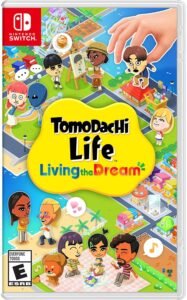
Tomodachi Life: Living the Dream brings Nintendo’s weird little Mii social sim back with island life, relationships, minigames, and unpredictable chaos.
Why This One Is on My Radar
Nintendo finally brought back one of its strangest, funniest, and most oddly personal series.
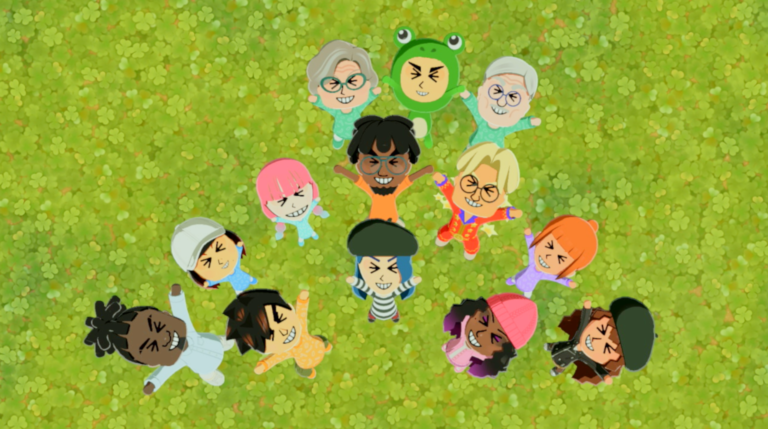
There is something special about a game that lets you fill an island with Miis, then simply watch them become dramatic little weirdos. They make friends, fall in love, get into arguments, ask for strange favors, and somehow create stories that feel funnier because you did not fully write them yourself. A lot of Nintendo games are about mastery, adventure, or competition, but Tomodachi Life focuses on giving your Miis a stage and seeing what nonsense they get into.
That is what makes this return exciting. Living the Dream is a simulation game where players create, customize, and help Mii characters live and thrive on an island, with shops, landmarks, relationships, and minigames. The game also supports both Nintendo Switch and Nintendo Switch 2, with a listed file size of 6.3 GB on both systems.
I also think this is the kind of Nintendo release that benefits from patience. Tomodachi Life is not something you “beat” in the traditional sense. It is something you check in on, laugh at, share with friends, and slowly build into your own strange little island sitcom.
The Short Version
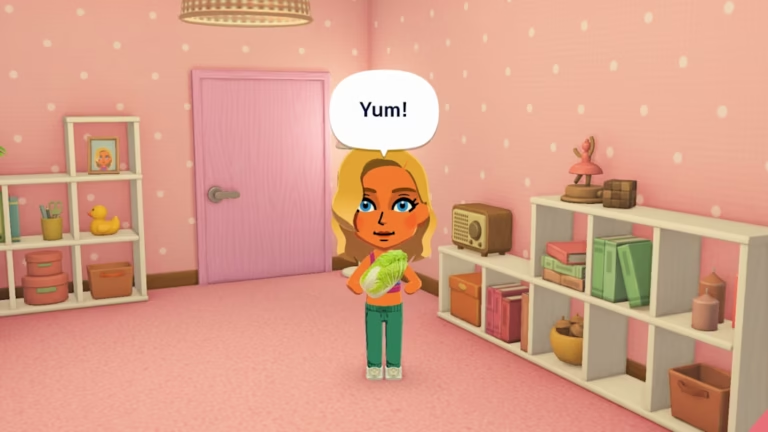
Tomodachi Life: Living the Dream is available on Nintendo Switch, with compatibility on Nintendo Switch 2, filling a very different space in Nintendo’s lineup. It is not a traditional life sim like Animal Crossing, and it is not a goal-heavy management game. It is more like a personality-driven social sandbox where the entertainment comes from watching your Miis interact in strange, surprising, and occasionally ridiculous ways.
The big question is whether Living the Dream gives players enough new tools, customization, and long-term island variety to make that chaos feel fresh again. The core idea is still great, but a modern Tomodachi Life needs enough personality and flexibility to keep players checking back in after the initial novelty wears off.
Quick Details
Game file size: 6.3 GB
No. of players: Single-player
System: Nintendo Switch
Release Date: April 16, 2026
ESRB rating: E for Everyone
What Kind of Game Is This?
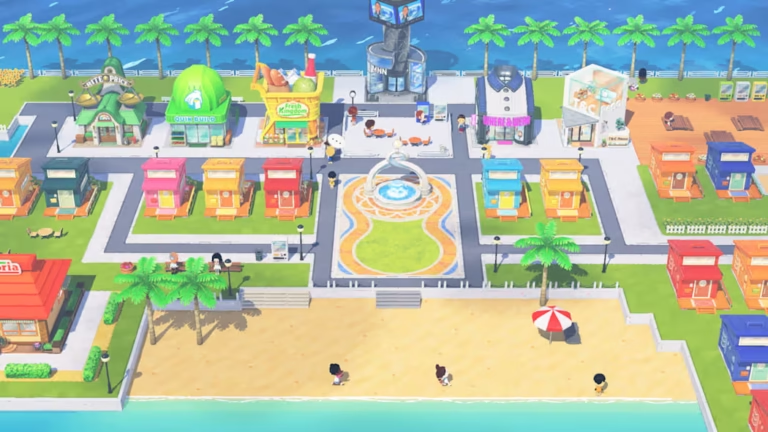
Tomodachi Life: Living the Dream is a social simulation game where players create and customize Mii characters, place them on an island, and help them live out their strange little lives. The ESRB describes the game as a simulation where players help Mii characters thrive on an island, construct shops and landmarks, build relationships, and complete minigames.
This is not a game about total control. You can create the Miis, give them personalities, and help shape the island, but a lot of the fun comes from watching them surprise you. The best moments in Tomodachi Life usually happen when the game combines familiar people, absurd situations, and just enough randomness to make the island feel alive.
That makes it a very different kind of Nintendo game. It is cozy, but not exactly calm. It is casual, but not empty. It is silly, but sometimes weirdly memorable because the stories feel specific to the characters you created.
Why It Matters
Nintendo does not make many games like this anymore.
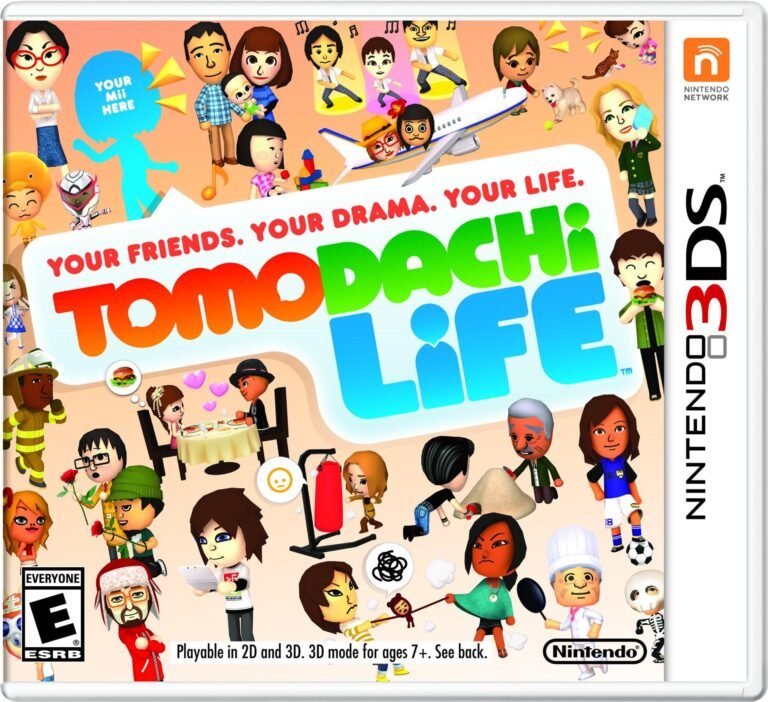
The original Tomodachi Life became memorable because it turned Miis into more than avatars. They became tiny characters in an unpredictable social comedy, and players naturally started creating islands full of friends, family members, celebrities, fictional characters, and inside jokes. The game worked because it gave players just enough authorship to make the chaos feel personal.
For Nintendo players, this return is significant because it brings back a series that thrives on personality rather than scale. Not every Nintendo game needs to be a massive adventure, a competitive platform, or a technical showcase. Sometimes the appeal is opening the game to see who confessed their love, who got into a fight, who wants a weird hat, and who is singing something completely unhinged.
That kind of playful unpredictability is very Nintendo, and it gives Living the Dream a clear place in the Switch library.
My Player Notes
What I’m excited about
I’m excited about Tomodachi Life: Living the Dream because the series is at its best when it creates stories you could not have planned yourself. Filling an island with Miis and watching them form friendships, rivalries, romances, and bizarre habits sounds like exactly the kind of low-pressure chaos Nintendo is great at.
What I’m cautious about
I’m cautious about long-term variety. The first few hours of a Tomodachi Life game are naturally funny because everything feels new, but the game needs enough events, customization, minigames, dialogue, and island activities to stay interesting after the initial wave of surprises.
What I want to know next
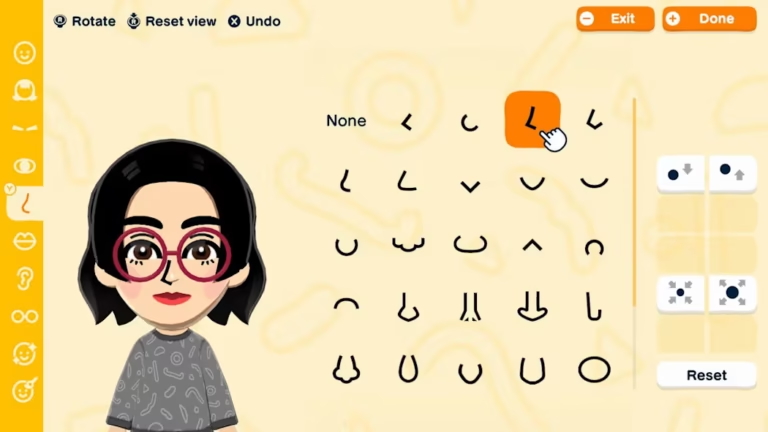
I want to know how much deeper the Mii relationships and customization systems are this time. A modern Tomodachi Life should give players more ways to make their island feel personal, especially when the whole game depends on the personalities and interactions of the Miis.
What would make this work
This works if Living the Dream gives players a steady stream of funny, personal, and shareable moments. The game does not need a traditional campaign to matter, but it does need enough variety that checking in on the island keeps feeling rewarding.
What could hold it back
What could hold it back is repetition. If the island starts cycling through the same jokes, requests, and interactions too quickly, the magic could wear off before the game has time to become part of a player’s routine.
Who I'd Recommend This To
Tomodachi Life: Living the Dream is worth keeping on your radar if you enjoy social simulation games, Mii customization, cozy chaos, low-pressure play, and Nintendo games that are more about personality than completion.
This is also a strong fit for players who like creating characters based on friends, family, stream communities, fictional characters, or inside jokes, then watching the game turn them into a weird little sitcom. The more personal the island is, the funnier the game usually becomes.
I would be more cautious if you need clear goals, deep progression, or a traditional story campaign. Tomodachi Life works best when you are comfortable letting the game be strange, slow, and unpredictable in its own way.
Start Here