Why Nintendo’s latest life sim feels less like nostalgia—and more like a statement
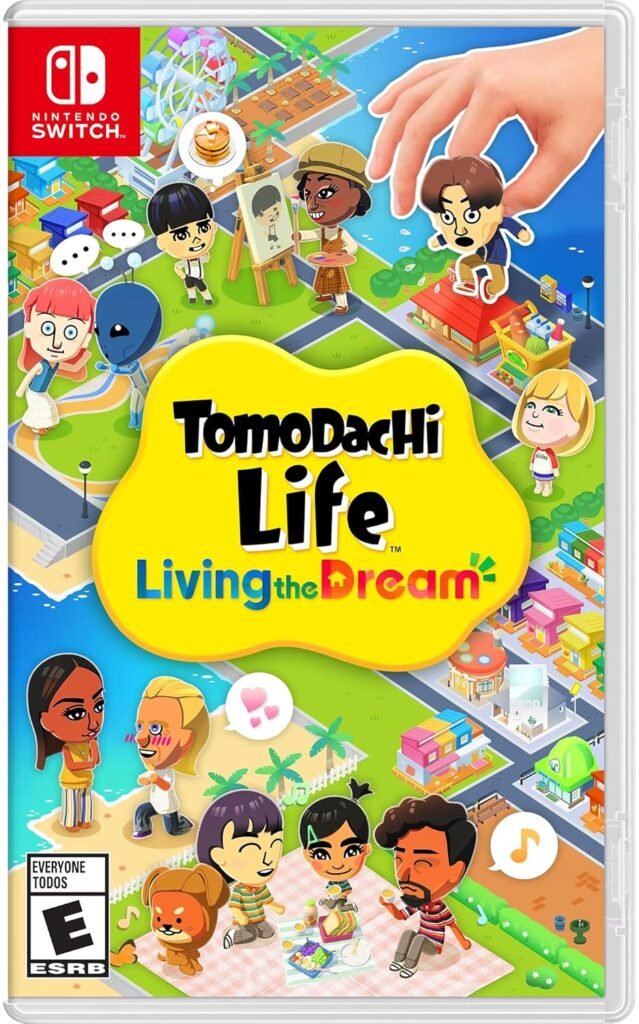
This morning, Tomodachi Life: Living the Dream finally stepped back into the spotlight with its own dedicated Nintendo Direct. The 20-minute presentation was packed with details—but more importantly, it offered clarity. This Direct made one thing unmistakably clear: Nintendo isn’t just reviving a cult-favorite life sim. It’s quietly resurrecting the Mii ecosystem on Nintendo Switch.
And honestly? It’s about time.
Release Date and the Big Picture
Let’s get some basic—but crucial—information out of the way first.
Tomodachi Life: Living the Dream launches on Nintendo Switch on April 16, 2026.
Notably, Nintendo isn’t releasing the game as a Switch 2 title, and surprisingly, there was no mention of a Switch 2 Edition. That doesn’t mean one isn’t coming—it could simply arrive later. Thanks to backward compatibility, the game will still be playable on Switch 2, but it’s interesting that Nintendo appears intent on keeping its older hardware relevant just a little longer.
Still, the bigger story isn’t the release date—it’s what that release represents.
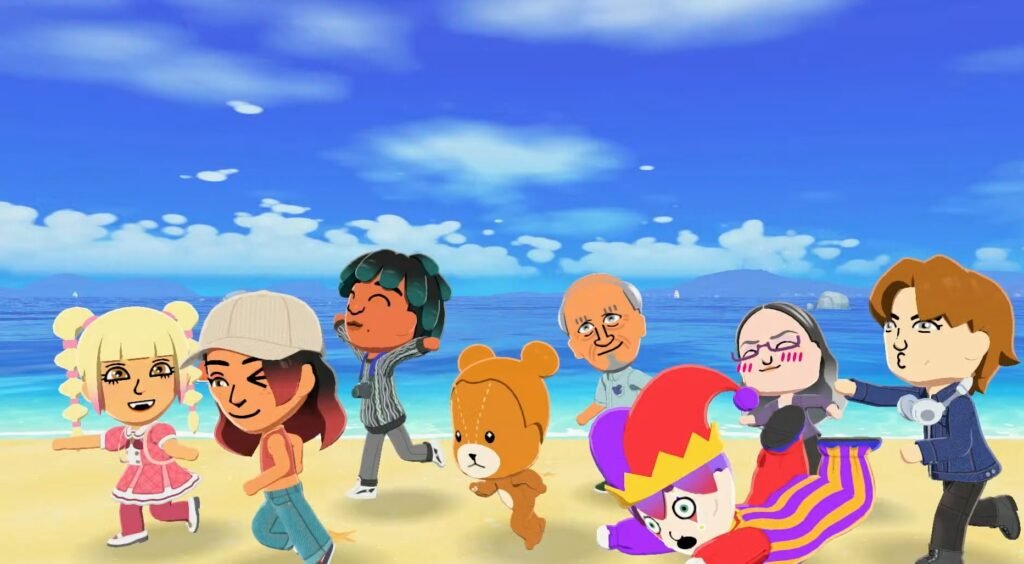
During the Wii era, Miis were everywhere. Over time, though, they’ve been steadily sidelined throughout the 3DS and Switch eras. Miis are still present on modern hardware, but largely relegated to menu screens and occasional cameos. This Direct felt like a statement: Miis aren’t just legacy avatars anymore—they’re weird, expressive, and central again.
Miis once served as Nintendo’s universal avatar—simple, expressive, and system-wide. Tomodachi Life: Living the Dream feels like a controlled reintroduction to those beloved characters. If players respond positively, it wouldn’t be surprising to see Miis regain relevance elsewhere—through system features, party games, or future experimental titles. I’m not guaranteeing a full Mii renaissance, but it does feel like Nintendo reopening a door it’s been slowly closing.
A Long-Awaited Sequel That Knows Exactly What It Is
Tomodachi Life: Living the Dream is a true sequel to the beloved Nintendo 3DS title, and Nintendo clearly understands why fans loved the original. The strange humor remains intact. The robotic, off-kilter Mii voices are back. And the joy of watching absolute chaos unfold between characters you created yourself is still the core appeal.
After watching the Direct more times than I’d like to admit, one thing feels abundantly clear: this is a genuine sequel—not just a visual upgrade.
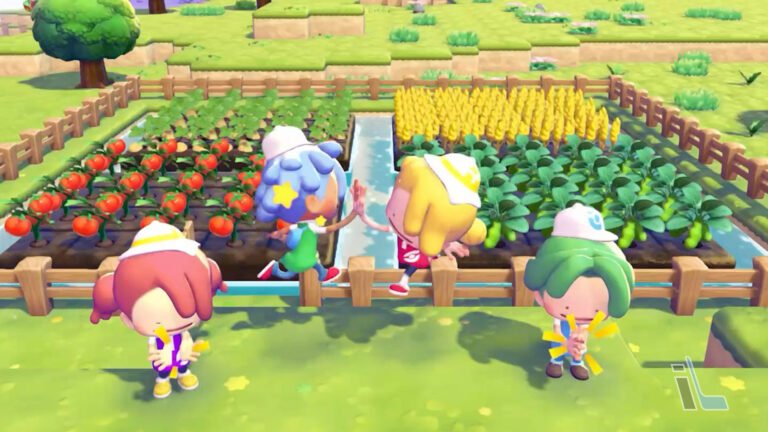
But what if you never played the original? Does Living the Dream feel out of place? I don’t think so. In many ways, Tomodachi Life feels adjacent to Animal Crossing: New Horizons—though arguably even more chaotic, and potentially even more customizable. That sense of creativity stands on its own, whether you’re returning or jumping in for the first time.
This comparison doesn’t mean Tomodachi Life is competing with Animal Crossing. Animal Crossing is about routine, intention, and comfort. Tomodachi Life thrives on unpredictability. That distinction matters. Tomodachi Life isn’t a cozy escape so much as it is a social experiment—less about designing a lifestyle and more about watching personalities collide. In a Switch library full of optimization and progression, the chaos Tomodachi Life brings feels refreshingly different.
A Digital Tamagotchi… With Emotional Damage
At its heart, Tomodachi Life is still a digital people-watching simulator. You create Miis—based on friends, family, celebrities, fictional characters, or even inanimate objects—and then let them live their lives.
One of the most charming moments in the Direct was Nintendo showcasing a Mii based on a childhood teddy bear. That single example perfectly captures Tomodachi Life’s magic. It isn’t about realism—it’s about emotional attachment and absurd creativity. The game doesn’t judge who—or what—you turn into a Mii. It simply lets the story unfold.
Time progresses in real-world fashion, meaning your island keeps evolving even when you’re not playing. Friendships form. Relationships change. Drama happens without you pressing a single button. That passive storytelling remains one of Tomodachi Life’s most underrated strengths.
You can influence Miis, but you can’t micromanage them. Relationships will form that you may not have intended. Conflicts will happen when you aren’t watching. For some players, that lack of control will be frustrating—but for others, it’s the entire appeal. Living the Dream doesn’t promise a perfectly curated experience; it promises a memorable one. And I can’t wait to see how those stories play out when the game launches in April.
Relationships, Quirks, and Island Chaos
Miis don’t just exist—they interact. They become friends, fall in love, date, argue, get married, and generally cause problems for each other. Each Mii can also be given unique quirks that influence how they behave, helping the island feel genuinely alive rather than scripted.
The original Tomodachi Life was already strong on 3DS, but Living the Dream looks far more expressive. The island feels busier, interactions feel more layered, and there’s a stronger sense that your Miis are tiny agents of chaos rather than NPCs waiting for input.
Representation, Done Right
One of the most important reveals in the Direct was the expanded gender and relationship options.
When creating a Mii, players can now choose male, female, or non-binary, and then independently select that Mii’s dating preferences. This isn’t a gimmick or a toggle buried in menus—it’s treated as a normal, foundational part of character creation.
That matters. A lot.
The original Tomodachi Life on 3DS faced real backlash in 2013 and 2014 for not allowing same-sex relationships, including a public apology from Nintendo over the omission. Nintendo even pledged that future entries would be more inclusive if the series ever returned—a pledge Living the Dream now appears to fulfill.
Tomodachi Life has always been about self-expression, and this change finally brings the series in line with what it claims to be: a sandbox for everyone. For players who previously felt boxed out by limitations, this is a genuine win. Unsurprisingly, early community reaction has been largely positive, with many fans celebrating the added inclusivity.
Shops, Systems, and Daily Life
Nintendo also showed off a wide range of island facilities, reinforcing that daily routines will be deeper than ever:
Fresh Kingdom – food mart
Where & Wear – clothing shop
News Station – island news updates
T&C Reno – home renovation
Marketplace – rotating item shop
Foto-Tomo – photography studio
Quick Build – decorative items and structures
These aren’t just cosmetic stops—they form the backbone of how you shape island life, manage moods, and personalize your experience.
Customization Is the Real Endgame
Customization appears to be taking a major leap forward in Living the Dream. Nintendo teased island shaping, neighborhood layouts, decorations, and even pets.
Life sims live or die by player expression, and this Direct strongly suggested that no two islands will look—or feel—the same. Whether you want cozy neighborhoods, themed districts, or something borderline unhinged, the tools seem to be there.
And yes, I’m already planning on building a running trail around the island.
What This Means for Nintendo—and Players
Tomodachi Life: Living the Dream doesn’t feel like a nostalgic cash grab. It feels like Nintendo testing whether Miis can matter again in a modern Switch ecosystem. If this game lands, it could quietly reopen the door for more Mii-focused experiences down the line.
More importantly, Living the Dream feels confident. Nintendo isn’t apologizing for how strange Tomodachi Life is—it’s leaning into it. That confidence is contagious.
The Input Lag Take
This Direct did exactly what it needed to do. It reassured fans, expanded the series in meaningful ways, and positioned Tomodachi Life as more than a quirky side project.
If Nintendo sticks the landing, Tomodachi Life: Living the Dream could become one of the most personal—and unpredictable—life sims on Nintendo Switch.
And if I’m being honest? I’m ready to let the Miis’ unpredictable chaos run my life again.
Scott (Scotty) Greenhalgh is the founder and owner of Input Lag, an independent Nintendo-focused publication. Scotty brings a player-first perspective informed by years of hands-on experience with Nintendo games to his reviews, rankings, and editorial coverage. His writing focuses on how games feel to play, their long-term value, and the impact Nintendo’s creative and business decisions have on players.
Outside of Input Lag, he also creates Pokémon-focused content online under the name Gr3atScotty.