What the milestone means for players — and why Nintendo’s hybrid future now feels locked in
Revealed earlier today on February 3, 2026, Nintendo’s financial records through the end of December 2025 show a company still in a very strong position. While sales reportedly slowed over the holiday season, Nintendo’s overall performance remains impressive.
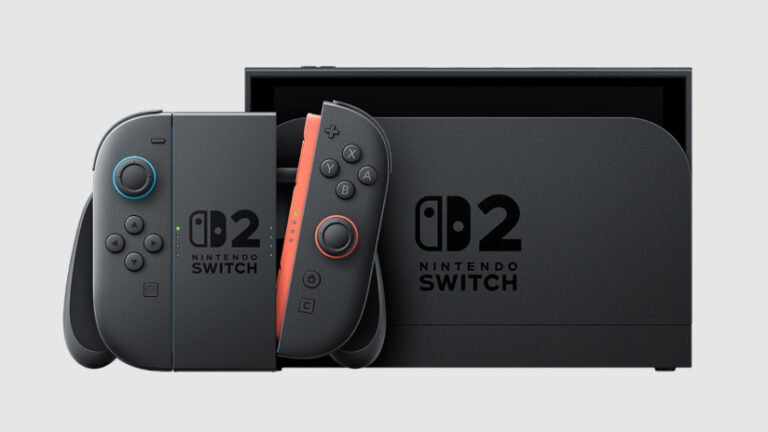
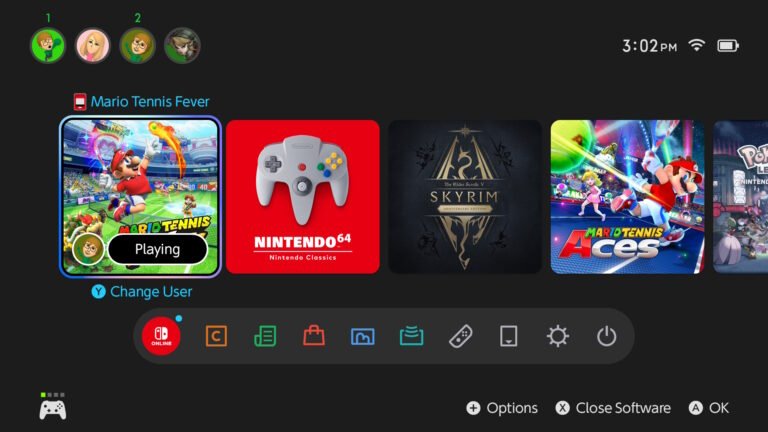
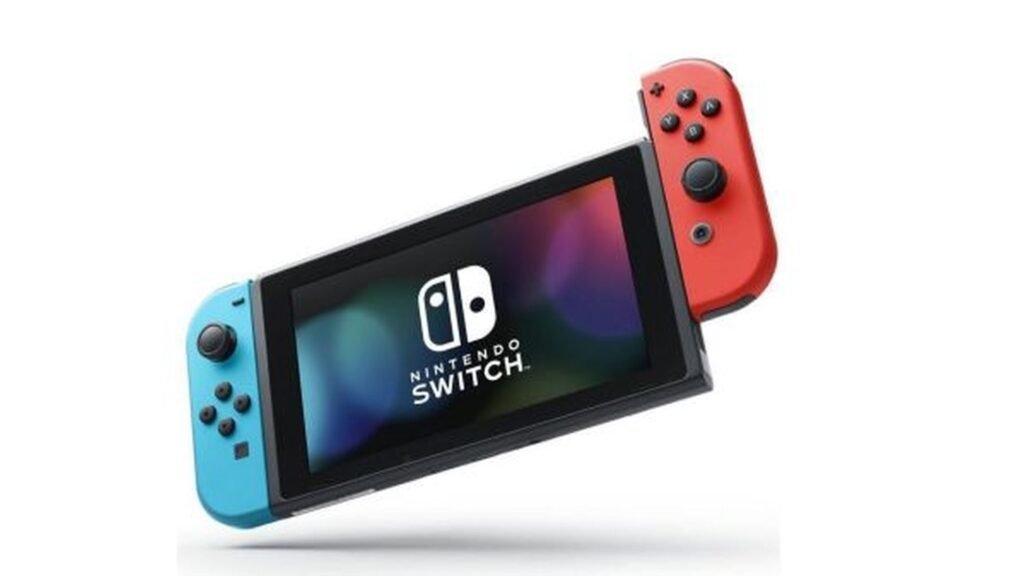
Most notably, the Nintendo Switch has officially become Nintendo’s best-selling system of all time, reaching approximately 155.37 million units sold and surpassing the Nintendo DS at 154.02 million units as of December 31, 2025. This milestone wasn’t entirely unexpected — the Switch was already within roughly 10,000 units of the DS in Nintendo’s November 2025 financial report — but it remains a significant moment for the company.
The achievement gives Nintendo plenty of reason for a victory lap, and it’s one that feels well earned.
To put that success into perspective, the Switch has also sold a staggering 1.5 billion units of software. And even with its successor already on the market — and on track to meet its goal of selling 19 million units within its first fiscal year — it’s clear the era of the Nintendo Switch is far from over.
Given the continued success of the Switch and the fact that sales haven’t stalled with the Nintendo Switch 2 now available, many owners may be wondering how long their investment will remain relevant. While Nintendo has clearly begun marketing software with the Switch 2 in mind, the company isn’t abandoning the original Switch just yet.
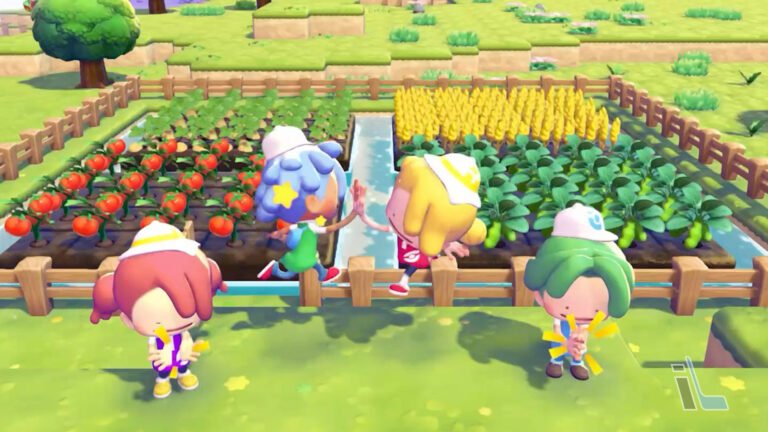
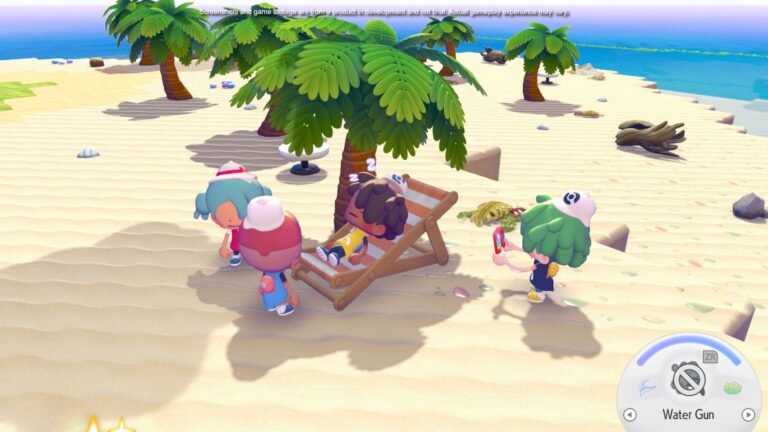
Tomodachi Life: Living the Dream, launching on April 16, 2026, is a Switch title, and its release suggests Nintendo is still willing to support the platform with new software. With the Switch 2 offering full backward compatibility, Nintendo appears to be taking a gradual transition approach rather than forcing an abrupt generational shift. Exactly how long that support will last remains unclear, but for now, the message is reassuring: Nintendo isn’t done with the Switch yet.
Even before surpassing the DS, the Nintendo Switch’s legacy had already cemented Nintendo’s hybrid gaming future. By committing to a single hybrid platform, Nintendo is no longer competing against itself — and its path forward feels increasingly clear. The company’s recent success suggests that this era isn’t about reinvention, but refinement — and it’s hard to imagine Nintendo moving away from hybrid systems anytime soon.
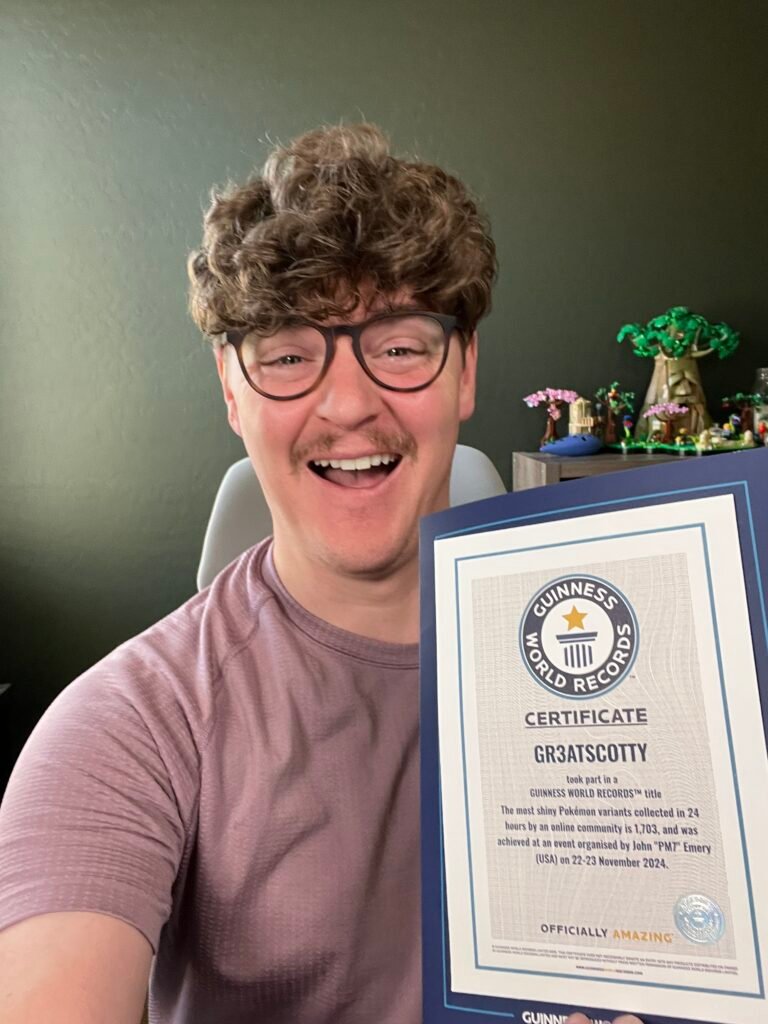
Scott (Scotty) Greenhalgh is the founder and owner of Input Lag, an independent Nintendo-focused publication. Scotty brings a player-first perspective informed by years of hands-on experience with Nintendo games to his reviews, rankings, and editorial coverage. His writing focuses on how games feel to play, their long-term value, and the impact Nintendo’s creative and business decisions have on players.
Outside of Input Lag, he also creates Pokémon-focused content online under the name Gr3atScotty.
Please note that some external links on this page are affiliate links, which means if you click them and make a purchase we may receive a small percentage of the sale.