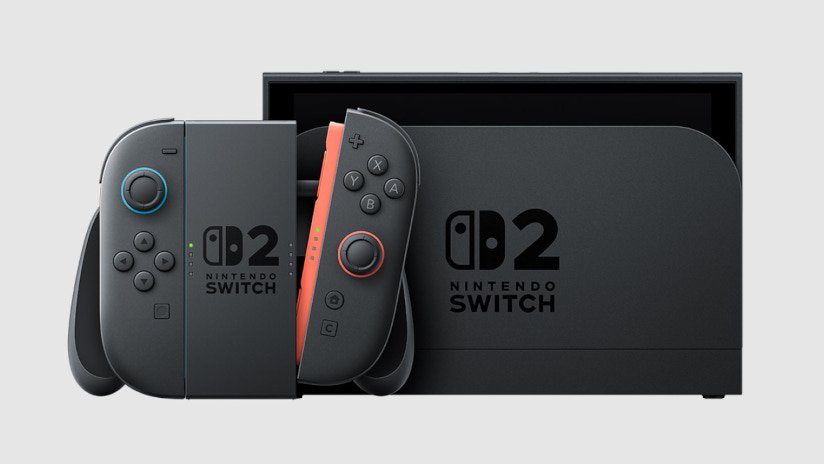
The Switch 2’s launch pricing was already controversial among fans, but new reports suggest the console could become even more expensive in 2026.
According to a Bloomberg report, Nintendo is reportedly considering raising the price of the Switch 2 amid what’s being referred to as “RAMmageddon” — a surge in global memory demand driven largely by AI infrastructure. While there has been no public confirmation, broader industry trends suggest price stability may not be guaranteed moving forward.
So what’s happening — and should players be concerned?
Why RAM Prices Are Surging
At the center of this issue is DRAM (dynamic random-access memory), a crucial component used in everything from smartphones and laptops to gaming consoles.
The pressure stems from AI-focused companies purchasing enormous amounts of memory to power data centers that run chatbots, machine learning models, and large-scale AI applications. Companies like Meta, Microsoft, and Alphabet are investing heavily in AI infrastructure, which requires significant volumes of high-performance memory.
Bloomberg reports that the cost of one type of DRAM surged 75% in a single month in late 2025. That kind of spike directly impacts the entire hardware supply chain.
When manufacturing the Nintendo Switch 2, Nintendo relies on many of the same suppliers. If memory costs rise, production costs rise with them.
It’s Not Just Nintendo
It’s important to be clear: these RAM shortages aren’t just impacting Nintendo.
Sony has reportedly pushed back its next-generation console plans, now eyeing a 2028 or 2029 window. Additionally, Sony and Microsoft have already raised hardware prices in 2025. While RAM shortages are part of the equation, tariffs imposed by the U.S. government have also played a role in those increases.
That’s the environment the Nintendo Switch 2 exists in.
Could Switch 2 Prices Really Go Up?
Currently, the Nintendo Switch 2 is priced at $449.99. If Nintendo were to follow industry trends, a $50 increase to $499.99 would not be out of the question.
If AI demand continues absorbing memory supply and keeping component prices elevated, Nintendo faces a decision: accept slimmer profit margins or adjust pricing.
Nintendo President Shuntaro Furukawa recently declined to comment on potential price increases, stating he could not address hypotheticals. While that’s standard corporate caution, it doesn’t dismiss the broader economic reality.
If production costs rise significantly, choosing between thinner margins or a higher retail price becomes a business decision — not a moral one.
What a $50 Increase Would Actually Mean
In today’s market, $50 is nearly the cost of a first-party Nintendo title like Mario Tennis Fever. For families purchasing multiple consoles, that difference adds up quickly.
Compared to broader tech inflation, a $50 adjustment would align with what competitors have already done. At $499.99, the Nintendo Switch 2 would still sit below the launch price of many high-end competitors, but it would push further into premium territory.
Should You Buy Now?
If you’ve been on the fence about purchasing a Nintendo Switch 2, waiting for a price drop may not be a safe strategy this time.
In previous console generations, patience often paid off through discounts or improved bundles. In today’s economic climate, the opposite may be true.
That doesn’t mean you should rush out and buy a console based on speculation — nothing has been confirmed. However, if you were already planning to purchase in the coming months, it may be worth reconsidering a prolonged delay.
The risk of waiting could now outweigh the potential reward.
Our Take
Nothing in Bloomberg’s report confirms that a Switch 2 price increase is imminent. Nintendo has not announced any changes.
At the same time, the economic signals are real.
If memory costs remain elevated, a modest Switch 2 increase in 2026 would not be surprising.
Should such a change occur, it wouldn’t be due to corporate greed. It would be the result of supply chains, component scarcity, and AI-driven demand that shows no signs of slowing.
If you already own a Switch 2, jumping in early may feel validating right now.
If you’re waiting for a Nintendo Switch 2 price drop, that strategy may no longer work in this market.
Scott (Scotty) Greenhalgh is the founder and owner of Input Lag, an independent Nintendo-focused publication. Scotty brings a player-first perspective informed by years of hands-on experience with Nintendo games to his reviews, rankings, and editorial coverage. His writing focuses on how games feel to play, their long-term value, and the impact Nintendo’s creative and business decisions have on players.
Outside of Input Lag, he also creates Pokémon-focused content online under the name Gr3atScotty.