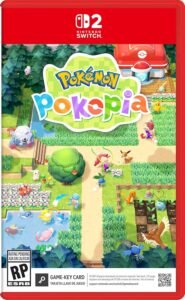
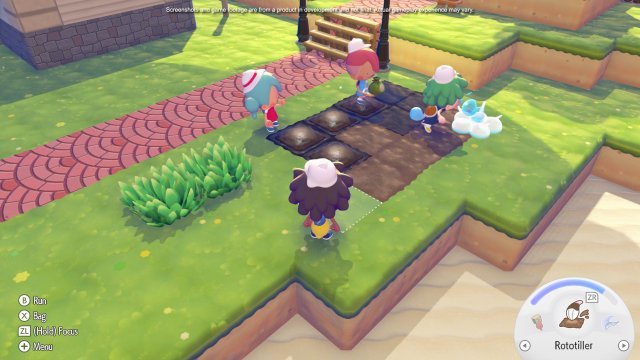
Over the last week, we’ve received a great deal of new information about Pokémon Pokopia, thanks in large part to the Pokémon European International Championships in London. Among the most significant revelations is new insight into Pokopia’s multiplayer structure, which honestly feels like a genuine game changer.
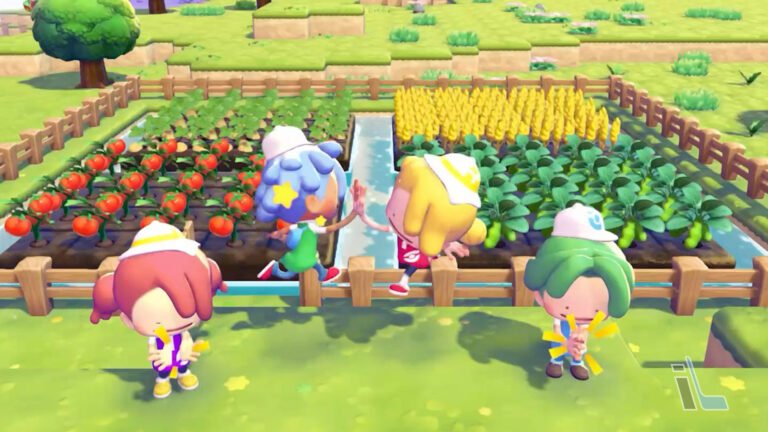
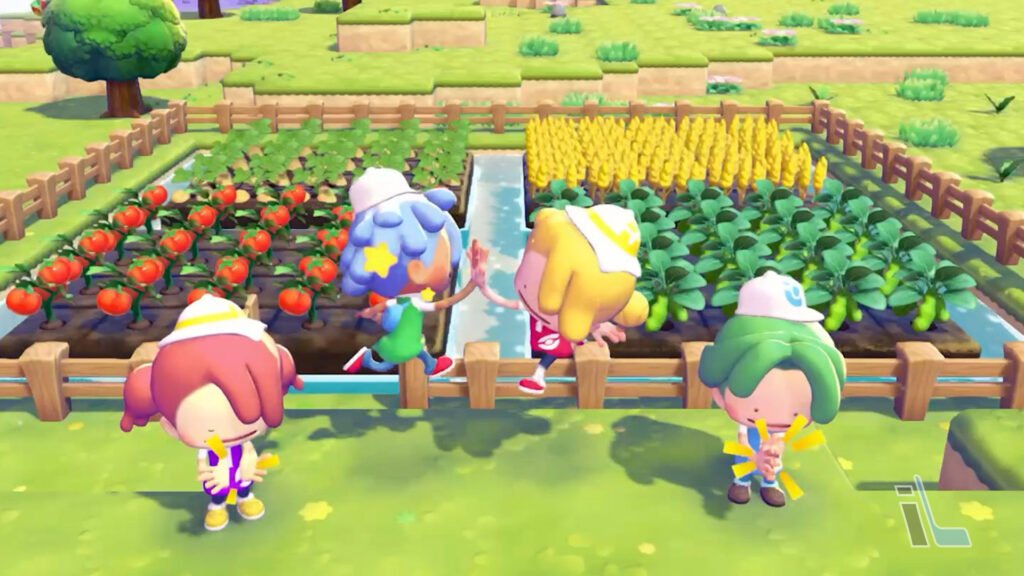
The introduction of Cloud Island — a Minecraft-like persistent, server-hosted cooperative world — allows for a far more sophisticated multiplayer experience than many of us initially expected.
Reactions to Pokopia have been notably divided since its reveal, with players either embracing the cozy premise or questioning whether the game offers meaningful systemic depth.
Hands-on experience at EUIC appears to have generated genuine enthusiasm for Pokémon Pokopia among everyday players while also providing clarity about how the game intends to sustain long-term investment. According to director Takuto Edagawa, Pokopia will take roughly 20–40 hours to complete, with plenty of content available even after the credits roll.
And perhaps some of that post-credit longevity will take the form of the Cloud Island feature.
Cloud Island Represents a Structural Shift for Pokémon Multiplayer
Cloud Island is a persistent, server-backed shared island that continues to exist independently of any single player’s console session.
Notably, up to four players may actively build and interact on the island at the same time, yet the world itself does not disappear when those players log off, nor does it require a designated host to remain online for access to continue.
Traditionally, Nintendo multiplayer models have relied on session-based hosting, which can create scheduling friction and limit the sense of long-term communal ownership. Cloud Island removes that dependency by allowing players to log in asynchronously and contribute to a shared ecosystem at their own pace. Later, those same players can return to see how much the island has evolved in their absence.
This effectively transforms optional multiplayer into a genuinely collaborative sandbox that emphasizes ongoing shared development.
If executed well, this online system has serious potential and could meaningfully reshape expectations for online experiences within the Nintendo ecosystem.
Ready to build your own Cloud Island?
If Pokopia’s persistent multiplayer and ecosystem design sound like your kind of Pokémon experience, you can secure your copy below.
Purchasing through these links supports The Input Lag at no additional cost to you.
The Design Philosophy Behind Cloud Island
Historically, the Pokémon franchise has approached online systems cautiously, often restricting certain cloud functionalities in order to preserve ecosystem integrity and competitive balance.
Cloud Island, however, may signal a philosophical shift that prioritizes creativity and communal iteration over scarcity or rigid control.
By lowering technical barriers and removing host dependency, the game invites players to view their island as a living project that grows through collective experimentation. To me, this suggests the development team understands the importance of reducing friction in a sandbox-style cozy game in order to encourage long-term engagement. It is clear that the team is aiming to create an experience capable of being enjoyed for dozens, if not hundreds, of hours.
The EUIC Demo Suggested the Systems Have Substance
Infrastructure alone does not guarantee depth, which is why the hands-on sessions at EUIC are so important to this conversation.
The playable demo in London provided press and attendees with time to explore Pokopia’s core mechanics, and the resulting preview roundups have been consistently positive in tone. Based on everything I’ve seen, I’m no longer worried that Pokémon Pokopia will be a disappointing game — I’m beginning to wonder whether it could turn out to be a genuinely great one.
Players and critics alike responded warmly to the Pokopia demo at EUIC, frequently describing it as a “delightful” and “wholesome” experience. Many attendees noted that the roughly 20-minute demo window felt too short to fully grasp the depth of its systems. It also appears that the demo converted several skeptics, with some attendees reportedly pre-ordering the game immediately after their session.
Pokémon Personality Deepens the Communal Investment
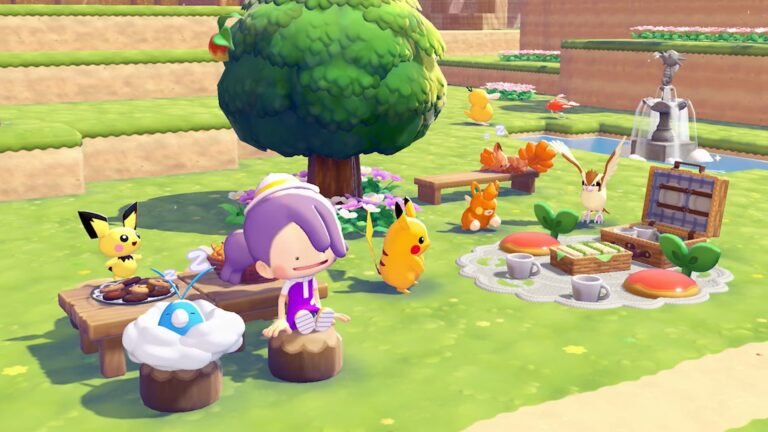
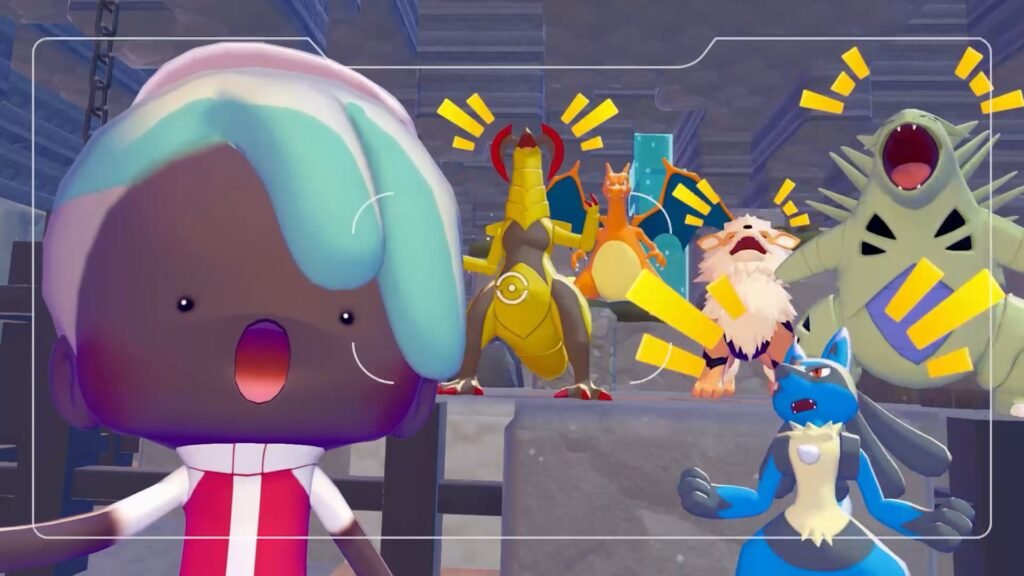
Preview impressions also consistently highlighted the personality-driven behavior of Pokémon within the island environment. Rather than functioning solely as collectibles or decorative elements, Pokémon living on the island display personality traits, respond to comfort adjustments, interact with one another, and contribute to the feeling of a living ecosystem.
Those behavioral nuances may carry even greater emotional weight in a communal setting. When multiple players contribute to shaping the same habitat, attachment extends beyond individual accomplishment and begins to resemble shared ownership.
The Conversation Has Shifted
Pokémon Pokopia has been met with a great deal of skepticism since its initial reveal, with much of that doubt centering on whether the game would offer enough systemic depth to justify sustained attention beyond its initial charm.
After EUIC, the tone of the discussion now appears to be shifting from questioning whether Pokopia is shallow to wondering how expansive its systems may ultimately become. While we still lack clarity regarding story progression pacing, endgame retention hooks, and the full breadth of Pokémon variety available at launch, early impressions suggest that Pokopia may offer enough structural sustainability to remain engaging well beyond its first few hours.
A Different Kind of Pokémon Experiment
Pokémon has explored its fair share of alternative genres before, from photography-focused experiences like New Pokémon Snap to dungeon-crawling adventures such as Pokémon Mystery Dungeon: Rescue Team DX, each emphasizing a different aspect of the franchise’s identity.
Pokopia’s experiment appears to center on ecosystem design supported by optional multiplayer infrastructure. If Cloud Island performs reliably and the habitat systems continue to scale over time, the game could ultimately prove to be one of the strongest Pokémon spin-off titles in years.
But what do you think about Pokémon Pokopia now? Has your opinion of the game changed?
Scott (Scotty) Greenhalgh is the founder and owner of Input Lag, an independent Nintendo-focused publication. Scotty brings a player-first perspective informed by years of hands-on experience with Nintendo games to his reviews, rankings, and editorial coverage. His writing focuses on how games feel to play, their long-term value, and the impact Nintendo’s creative and business decisions have on players.
Outside of Input Lag, he also creates Pokémon-focused content online under the name Gr3atScotty.