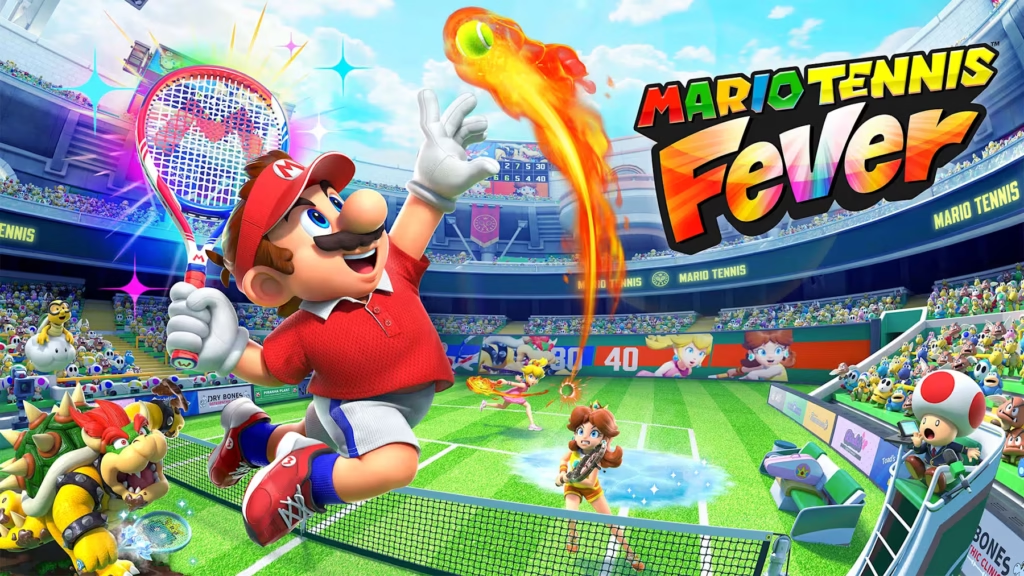
A strong serve, not quite a grand slam.
Mario Tennis Fever has hit the courts.
Growing up, my family had very few games for our Nintendo 64, but one of them was Mario Tennis. I loved it for what it was — and in large part because of that game, I fell in love with the sport itself. Heck, I probably never would have asked my parents for tennis lessons if I hadn’t first picked up a controller and played Mario Tennis.
That nostalgia doesn’t blind me, though. The Mario Tennis series has had its fair share of highs and lows. In fact, I worry that Mario Tennis Fever may not be the right game for the Nintendo Switch 2 right now. With the console still so new, it needs heavy hitters — games that convince fence-sitters it’s time to upgrade. In that regard, can Fever deliver?
At first glance, a Mario sports game doesn’t exactly scream “system seller.” However, Nintendo may be following a familiar playbook. Mario Tennis Aces launched relatively early in the original Switch lifecycle. Maybe this is simply the rhythm Nintendo prefers for its sports titles.
But here’s the tricky part: Mario Tennis Aces is fully playable on the Nintendo Switch 2. That makes these two games… direct competitors. If Mario Tennis Fever doesn’t meaningfully serve fans — pun intended — players can simply stick with Aces. And that means Fever has to justify its existence. It can’t just be new — it has to be better.
No pressure.
That said, it’s not as though Aces set an untouchable standard. In fact, I found it slightly lackluster. I thoroughly enjoyed it for about a week — and then it collected dust on my shelf for years. I have to wonder if that sounds familiar to other fans.
There were clear areas where Aces needed improvement, and in this review I’ll be comparing the two games closely to see whether Camelot made the necessary adjustments — or if we’re serving up a similar experience all over again.
I’ll admit, it was hard not to be impressed when I first loaded up Mario Tennis Fever. The visuals are smooth, the colors vibrant, and the opening cinematic is genuinely exciting. With what appears to be a stable 60 frames per second, I caught myself thinking, “This must be the power of the Nintendo Switch 2” — not a compliment I expected to give a Mario sports title. After the brief tutorial, I jumped straight into Tournament Mode — a mode I suspect I’ll be spending plenty of time with.
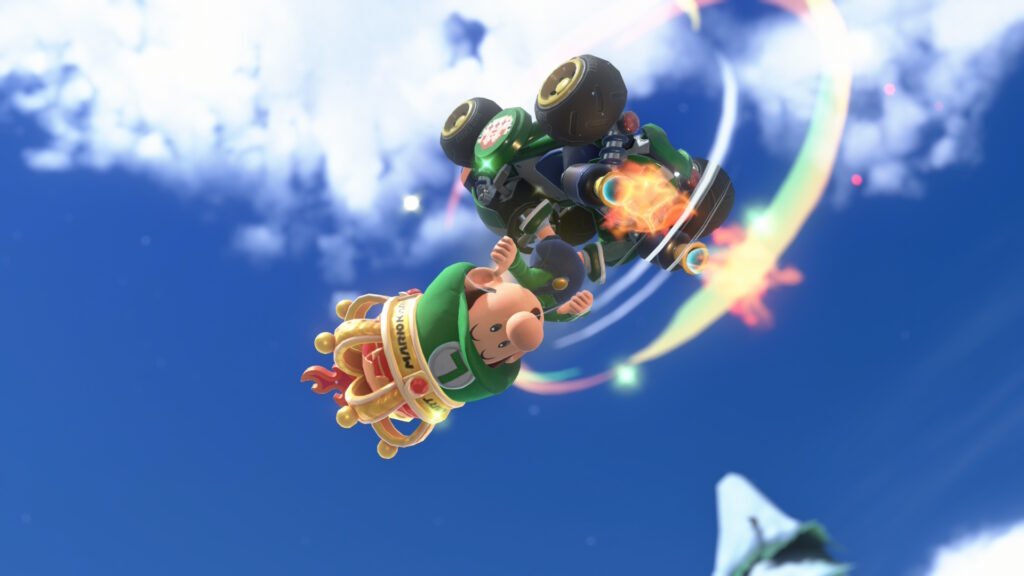
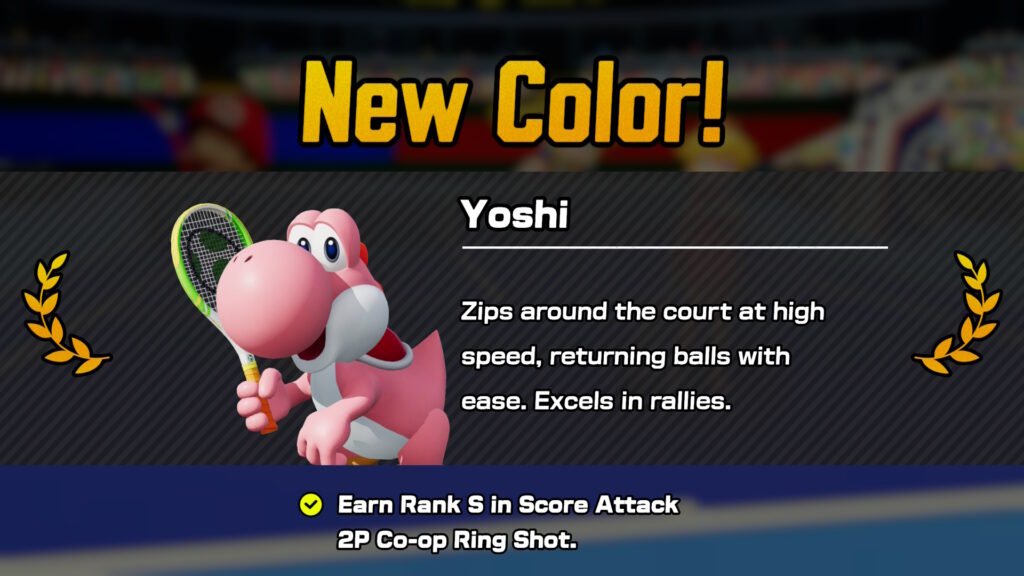
The gameplay feels smooth and responsive, and throughout my testing I never experienced noticeable frame drops. As I played, I began unlocking the titular Fever Rackets and new characters. Mario Tennis Fever boasts the largest playable roster in series history, though you’ll need to work to unlock everyone. I didn’t mind that. Unlocking characters like my main — Baby Luigi — felt satisfying.
And I was enjoying myself. This is tennis. This is fun. It felt like I’d finally found what I was looking for in a modern Mario Tennis game. As I advanced through tournaments, I began experimenting more seriously with the Fever Rackets.
I’ll be honest: I wasn’t a huge fan of the gimmicks in Mario Tennis Aces. I told myself they were cool when the game launched, but I often ignored them in favor of a more traditional experience. In fact, I’d almost forgotten about trick shots entirely until revisiting Aces recently. That made the Fever Rackets an important test for me. Would this mechanic actually stick?
Fortunately, the Fever Rackets can be toggled off — which I appreciate — but surprisingly, I found they genuinely belong here. They add a layer of challenge that makes matches feel dynamic and unpredictable, almost like a Mario Party minigame woven into competitive tennis. Without realizing it, I started looking forward to using different rackets. It’s a gimmick Camelot genuinely nailed.
In fact, I’m not sure I’d want a future Mario Tennis without them — even though it’s still satisfying to play with a traditional racket.
At least for me, the Fever Rackets alone are enough to make me box up Mario Tennis Aces and move on.
And honestly? That might be the strongest compliment I can give.
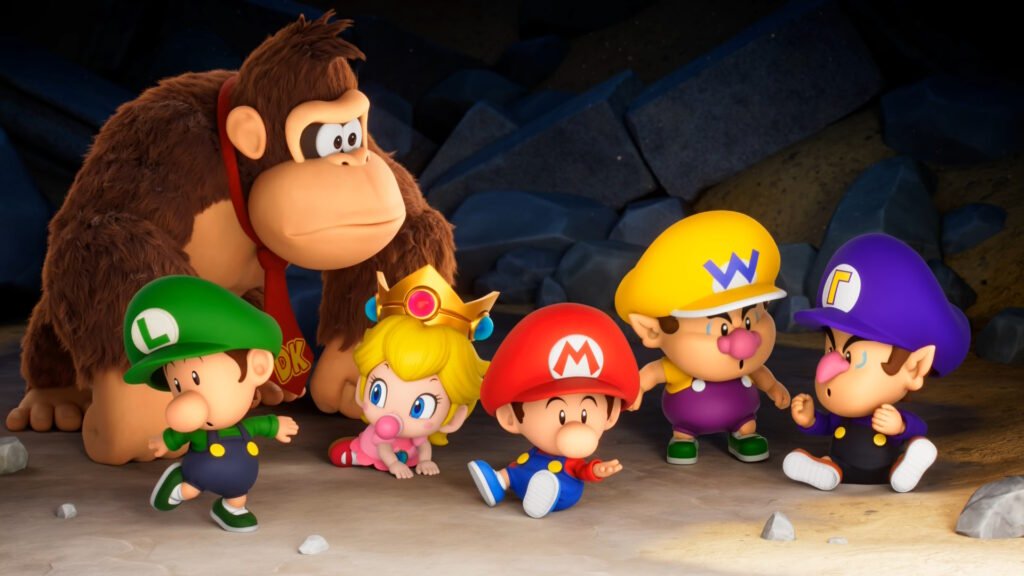
After thoroughly enjoying Tournament Mode, I moved on to Adventure Mode. The in-game description reads: “Learn the basics, level up, and reclaim your former glory!” — which, to me, translates to “extended tutorial.” I wasn’t going in blind — I’d already heard it felt more like a glorified tutorial than a true campaign. And if you’re expecting a dramatically different take here… I’m going to disappoint you.
The premise is classic Nintendo silliness: several main characters mysteriously turn into babies and must relearn how to play tennis to defeat a looming threat. The concept is charming. The execution? Less so.
I played Adventure Mode for about 14 minutes and found myself surprisingly bored by the minigames. It felt too easy — like a tutorial designed for someone who has never played Mario Tennis before. It didn’t feel built for returning players. Some minigames barely resembled tennis at all, which felt especially odd.
Leveling up initially gave me hope. I assumed I’d be able to meaningfully customize my character — maybe lean into light RPG elements. Instead, stat progression felt automatic and shallow. I couldn’t invest in specific attributes. Rather than feeling empowered, I felt guided.
That’s disappointing, because the story setup had real potential. Compared to Aces, which at least committed to its campaign structure, Fever feels hesitant. It teases RPG depth without fully embracing it. And that’s a missed opportunity.
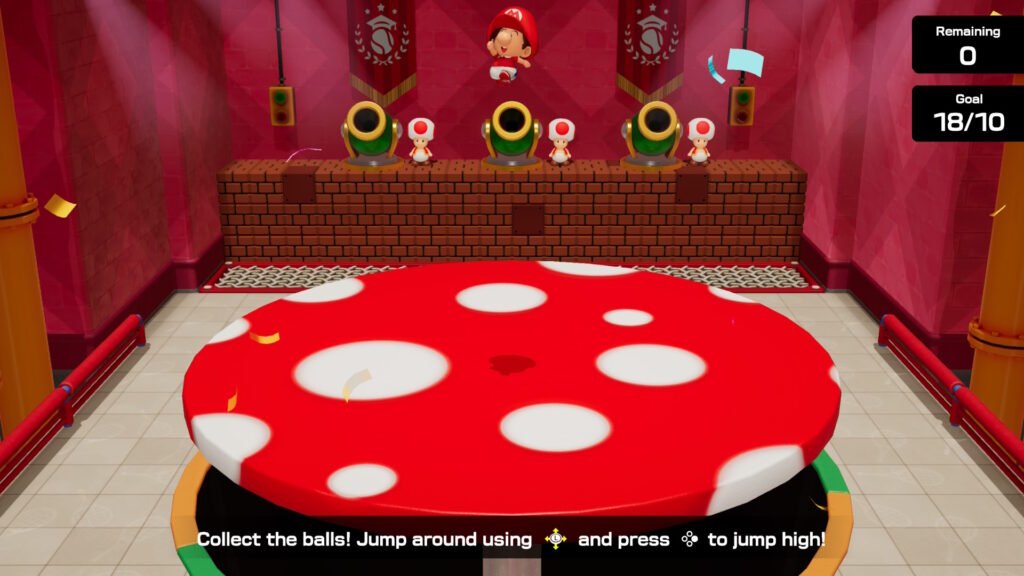
After the letdown of Adventure Mode, I opened Swing Mode, expecting it to feel like an obligatory add-on. Instead, I was pleasantly surprised. Using the Joy-Con like an actual racket feels responsive and intuitive. When I sliced the controller the way I would a real racket, the game consistently interpreted it correctly, producing satisfying drop shots. That added immersion makes Swing Mode more than a novelty — it’s genuinely fun.
I can see myself returning to it for a more authentic tennis experience.
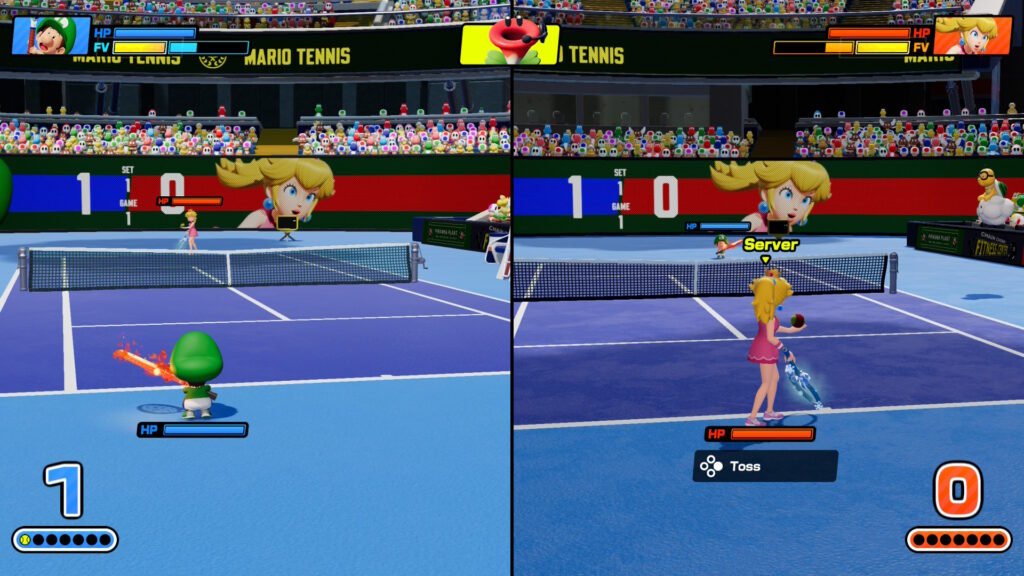
But stepping back from the individual modes, it became clear that Mario Tennis Fever isn’t trying to be an all-consuming adventure. It’s not The Legend of Zelda: Tears of the Kingdom. It isn’t a sprawling epic designed for hours-long sessions. It’s tennis — built for quick matches, short bursts of competition, and couch multiplayer.
And that distinction matters when we consider another hurdle Fever faces: price.
Nintendo is asking $69.99 for Mario Tennis Fever. And while this is a good game — one that earns an 8/10 from me — it’s difficult to argue that it fully justifies that price tag in today’s gaming economy.
This is a polished, fun, mechanically strong entry in the series. But at $70, it’s competing not just with Mario Tennis Aces — it’s competing with massive, content-rich experiences across the industry, even other first-party Nintendo titles like Donkey Kong Bananza. When placed alongside those larger-scale adventures, the value proposition becomes harder to defend.
Maybe the price would feel more justified if Adventure Mode fully committed to the RPG elements it teases but never realizes. Imagine if completing minigames meaningfully boosted your character’s stats, similar to the collectible system in Kirby Air Riders’ City Trial. A deeper stat system would have added replay value and strengthened the overall package, making the $70 price tag easier to defend. As it stands, though, that price may push away fence-sitters — making it even less likely that Mario Tennis Fever becomes a true console mover.
Ultimately, Mario Tennis Fever succeeds where it matters most: the tennis itself is fast, polished, and genuinely fun. The Fever Rackets are a welcome evolution, Tournament Mode is addictive, and Swing Mode adds an unexpected layer of immersion. It’s a very good game that flirts with becoming a great one. But the shallow Adventure Mode and undercooked RPG elements hold it back. At $70, the package feels just shy of essential — like it’s one fully realized mode away from greatness. That’s why this lands at an 8/10 for me. It’s a strong entry in the series and one I’ll keep playing, but it misses the depth and value needed to fully justify its premium price tag.

About the Author
Scott (Scotty) Greenhalgh is the founder and owner of Input Lag, an independent Nintendo-focused publication. Scotty brings a player-first perspective informed by years of hands-on experience with Nintendo games to his reviews, rankings, and editorial coverage. His writing focuses on how games feel to play, their long-term value, and the impact Nintendo’s creative and business decisions have on players.
Outside of Input Lag, he also creates Pokémon-focused content online under the name Gr3atScotty.