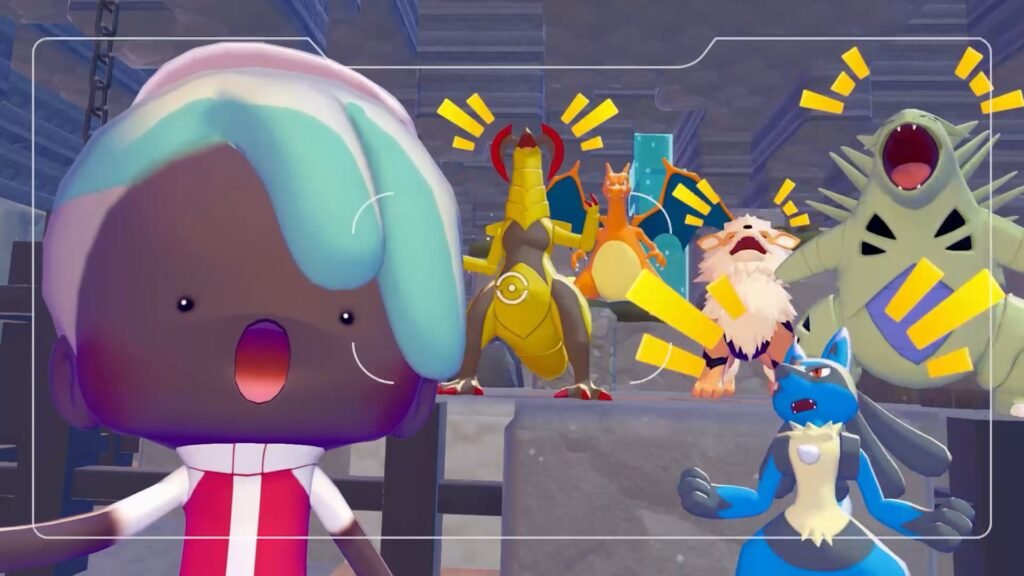
2026 is shaping up to be a landmark year for Pokémon. As the franchise celebrates its 30th anniversary, Nintendo is also preparing to launch Pokémon Pokopia on March 5, 2026—exclusively for Nintendo Switch 2.
While Pokémon is traditionally defined by RPG progression and turn-based battles, Pokémon Pokopia charts a very different course. This is a full-on life simulation experience—one that seems designed to complement the mainline games rather than compete with them, and we can’t wait to get our hands on it!
Here’s what we know so far, and what fans can reasonably expect when Pokopia arrives this spring.
A Cozy Pokémon Life-Sim Experience
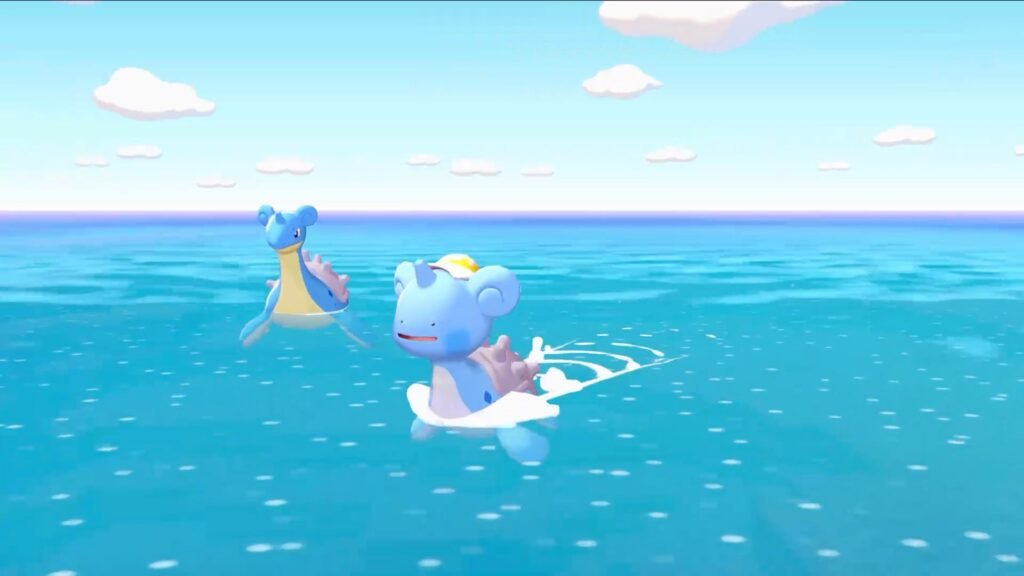
In Pokémon Pokopia, players don’t step into the shoes of a Trainer—instead, they are a Pokémon. You play as a Ditto, a design choice that immediately sets Pokopia apart. The concept recalls Pokémon Mystery Dungeon, but with a key difference: this Ditto hasn’t been transformed into a Pokémon—it’s always been one.
The result is a slower-paced, cozy experience focused on everyday life alongside Pokémon. Competitive battling appears to be intentionally sidelined, leaving room for exploration, creativity, and relationship-building.
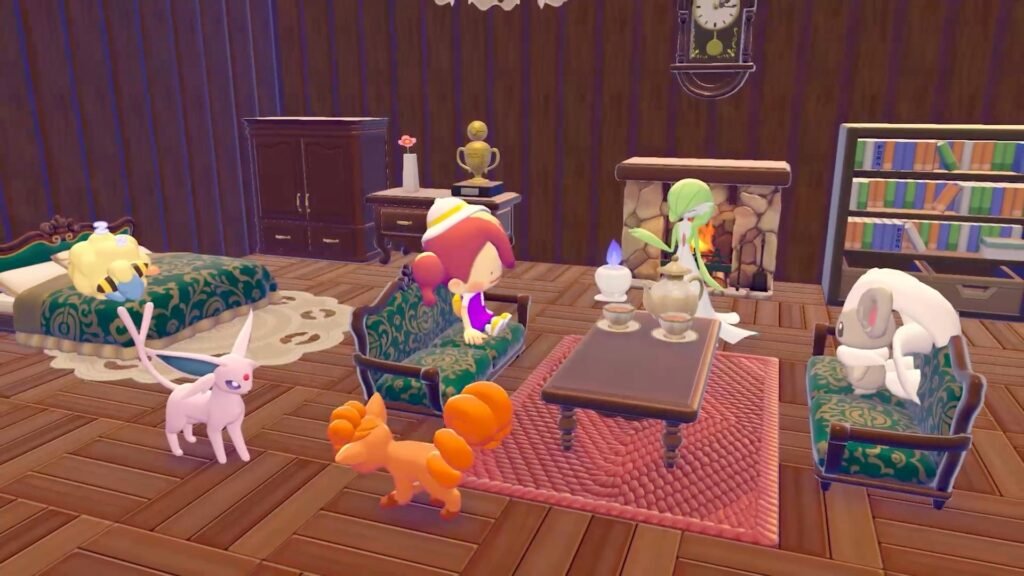
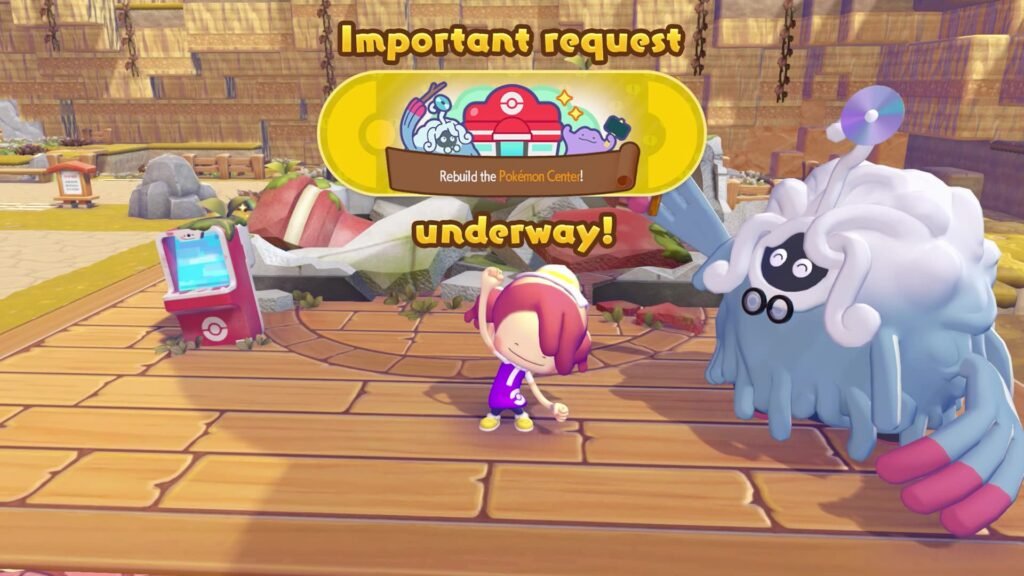
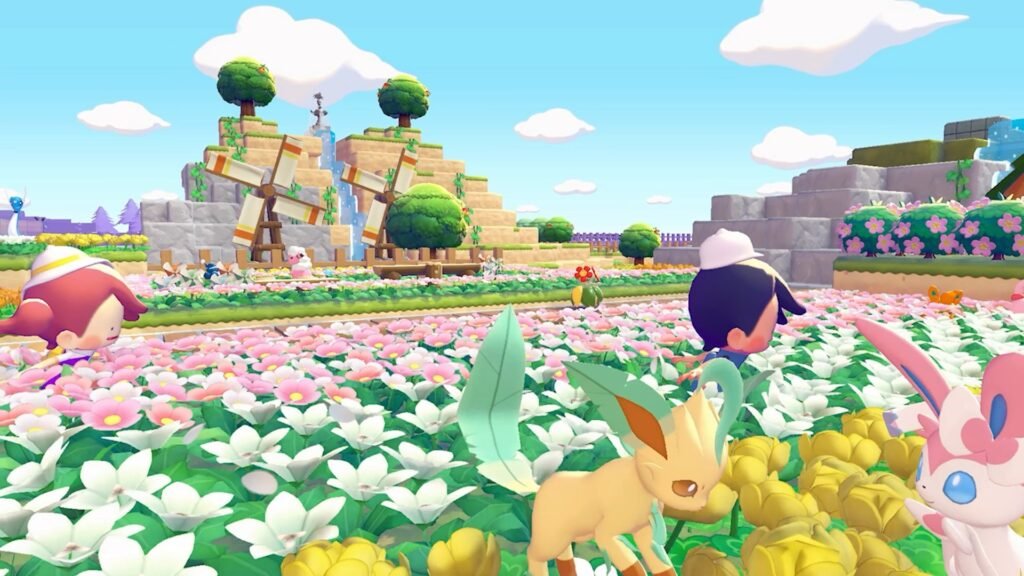
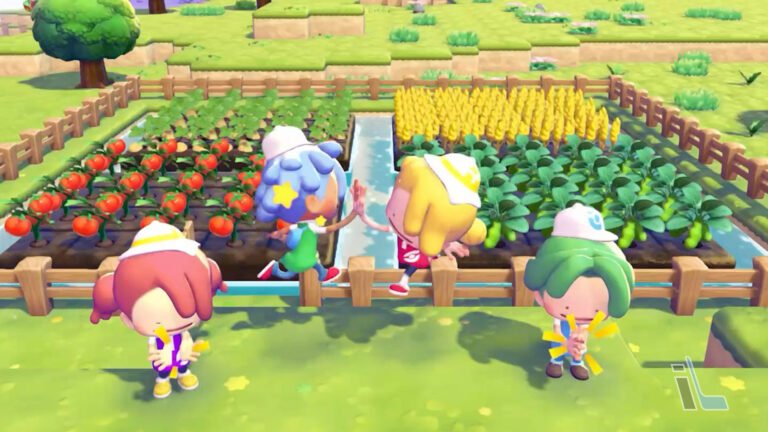
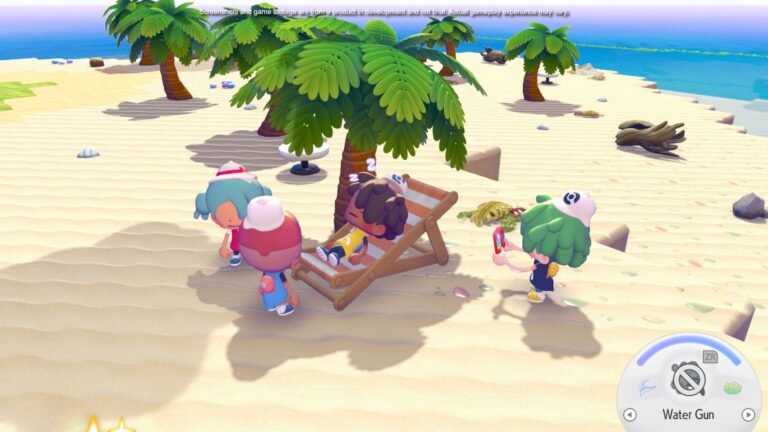
The structure will feel familiar to fans of Animal Crossing: New Horizons. Players settle on a charming island, decorate their space, build relationships, and uncover small stories at their own pace. Daily routines—tending to Pokémon, exploring the island, and personalizing your surroundings—seem to form the backbone of Pokopia’s gameplay loop.
And yes, one big unanswered question remains: just how many Pokémon will be available? If shiny Pokémon can populate your island, Pokémon Pokopia could become dangerously addictive.
Pokémon as Companions, Not Combatants
One of Pokémon Pokopia’s most significant departures is how it redefines Pokémon themselves. Rather than being measured by stats and move sets, Pokémon function as companions and helpers, each with their own personalities and behaviors.
Because you play as Ditto, progression comes through learning abilities from other Pokémon—skills like Cut and Surf that let you reshape and expand your island. It’s a clever inversion of the traditional formula, reinforcing Pokémon Pokopia’s emphasis on community, cooperation, and creativity over competition.
Customization and Personal Experssion
Life sims live or die by customization, and Pokémon Pokopia appears to fully understand that. Decorating your home, shaping the island, and expressing your personality through your environment all seem central to the experience.
This isn’t entirely new territory for Pokémon. Features like Secret Bases in Pokémon Ruby, Sapphire, and Emerald—and their remakes—hinted at player creativity years ago. Pokémon Pokopia looks to take that foundation and build an entire game around it.
Built for Nintendo Switch 2
Pokémon Pokopia’s exclusivity to Nintendo Switch 2 matters. The newer hardware should allow for smoother animations, denser environments, and more expressive Pokémon interactions than the original Switch could handle.
It also opens the door for more ambitious multiplayer features. While Nintendo hasn’t confirmed much about the multiplayer functionality in Pokémon Pokopia, but the life-sim framework feels perfectly suited for visiting friends’ islands or collaborating online—and we are really excited Game Freak is seemingly going that route.
Preorder Bonuses
Fans planning to jump in on day one can already secure some extras. Preordering through the Pokémon Center includes a Ditto Sitting Cutie Plush (while supplies last), along with an in-game Ditto rug to decorate your home in Pokémon Pokopia.
Pokémon Pokopia launches March 5, 2026, exclusively on Nintendo Switch 2. Is this cozy spin-off the Pokémon experience you’ve been waiting for, or are you still holding out for something more traditional? Let us know what you’re hoping Pokémon Pokopia delivers.
Scott (Scotty) Greenhalgh is the founder and owner of Input Lag, an independent Nintendo-focused publication. Scotty brings a player-first perspective informed by years of hands-on experience with Nintendo games to his reviews, rankings, and editorial coverage. His writing focuses on how games feel to play, their long-term value, and the impact Nintendo’s creative and business decisions have on players.
Outside of Input Lag, he also creates Pokémon-focused content online under the name Gr3atScotty.